Roof repair cost in Ireland: what decides the price.
The cost of a roof repair in Ireland is decided by what has failed, how much of the roof it affects, how the roofer gets up to it and what is found underneath once the slates or tiles are lifted. Those are the things a fair quote is built on. This guide sets them out so you can read a quote properly, spot one that has left something out, and know what to send a roofer to get a price quickly.
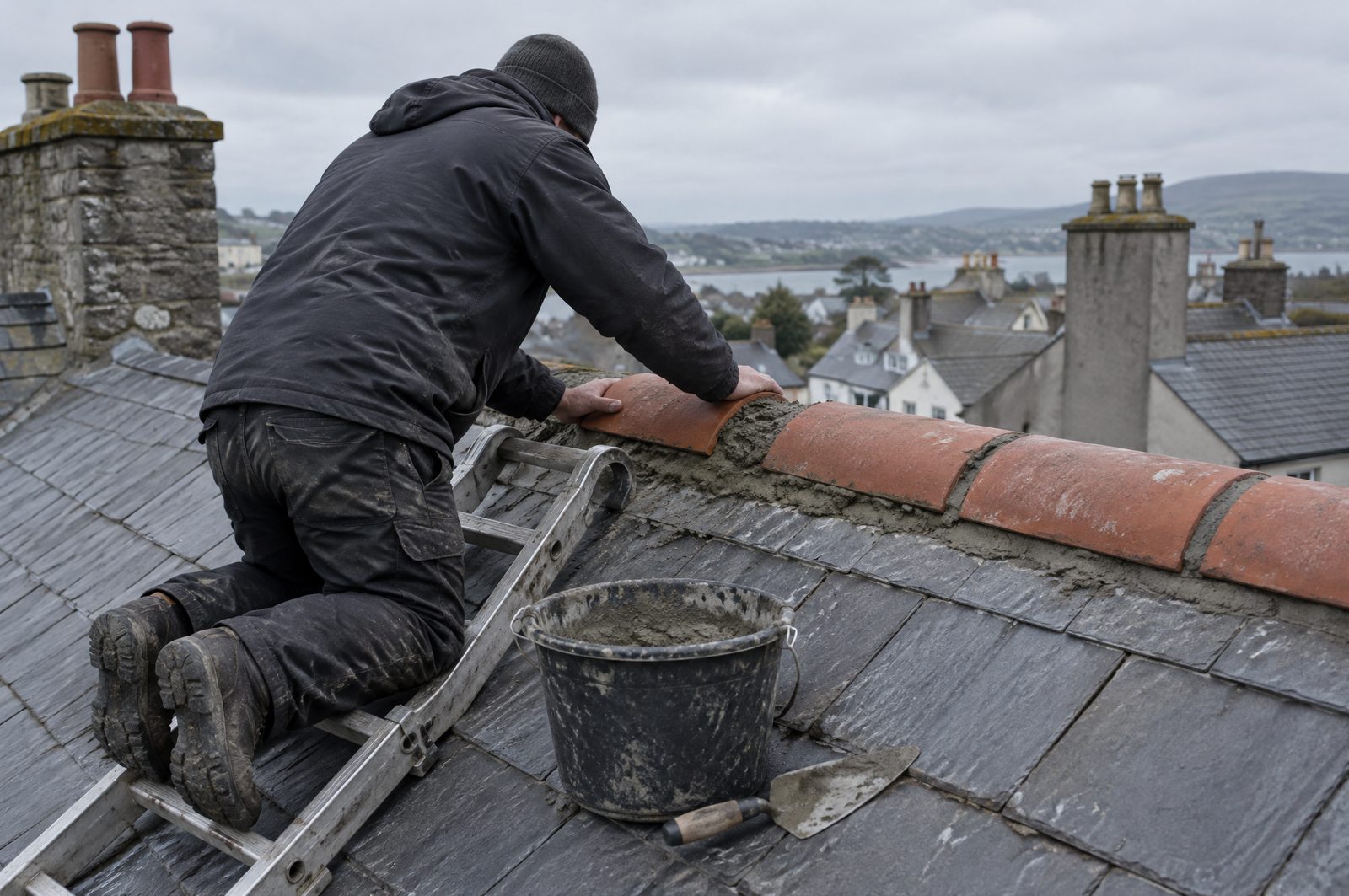
The fault sets the starting point: a slipped slate, a loose ridge, a failed flashing and a split valley are very different amounts of work.
Access then moves the price a long way: a ladder job on a bungalow is not the same as a scaffold on a three-storey gable, and the scaffold is part of the cost.
Materials, the condition of the felt and battens underneath, and how far the problem has spread make up the rest. A photo from the ground gets you a free written quote within 48 hours.
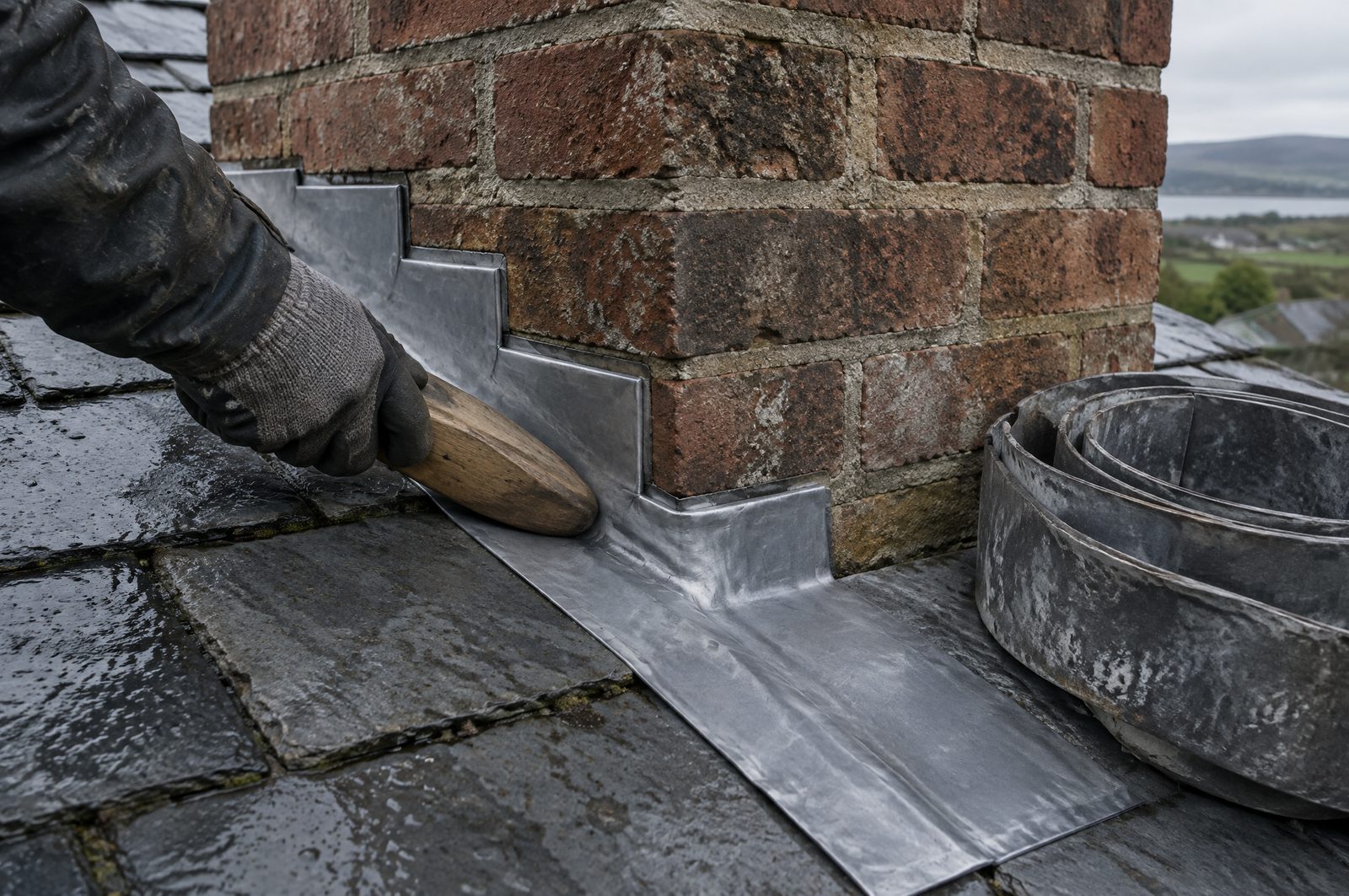
The fault itself.
Repairs fall into rough groups by the work involved. Refixing a slipped slate with a tingle, or swapping a cracked tile, is a short job if the slate or tile is easy to reach. Rebedding ridge tiles means lifting them, cleaning off the old mortar and bedding them again, so the length of the ridge matters. Renewing lead flashing at a chimney or wall means cutting out the old lead, raking out the joint and dressing new lead in, which is skilled work by the metre. Relining a valley means stripping the slates or tiles either side, replacing the liner and putting the covering back, which is a bigger job again.
A quote should name the fault, not only the symptom. "Fix leak" is not a description of work. "Renew apron and step flashings to chimney in Code 4 lead" is.
Access, height and pitch.
On many repairs, getting to the fault safely is a large share of the price. A single-storey roof, a porch or the bottom courses of a two-storey roof can often be reached with ladders and a roof ladder. A chimney on the ridge of a two-storey house, a repair high on a steep slope, or anything on a three-storey house will usually need a scaffold tower or a full scaffold. Steep pitches are slower to work on because nobody can stand on the slope, and very low pitches can need extra care with laps and leadwork.
Access on the ground matters too. A terrace with no side passage, a conservatory or extension under the repair, a sloping garden, or a scaffold that has to stand on a public footpath all add time or cost. A good quote says what access is included, for how long, and who arranges any permit.
Materials.
Matching the existing roof is part of the job. New natural slate, reclaimed slate, fibre-cement slate, concrete tile and clay tile all cost different amounts, and an older or discontinued tile profile can take time to source. Lead is priced by weight, so a heavier code for a valley costs more than a lighter code for a small flashing. A dry ridge or dry verge system costs more up front than mortar but does not need repointing.
Small amounts of material are rarely what makes a repair expensive. Access and labour usually are.
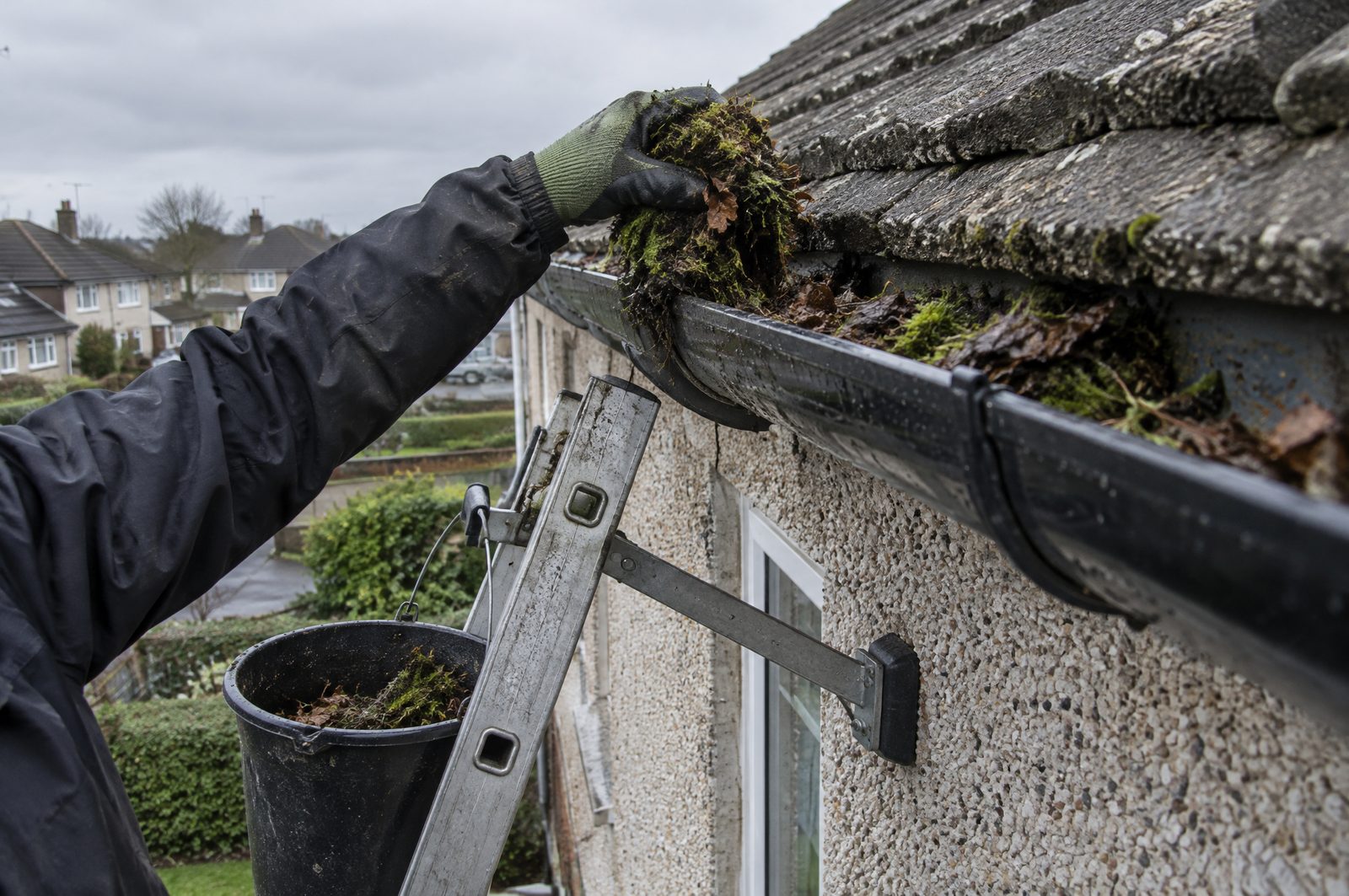
What is under the slates.
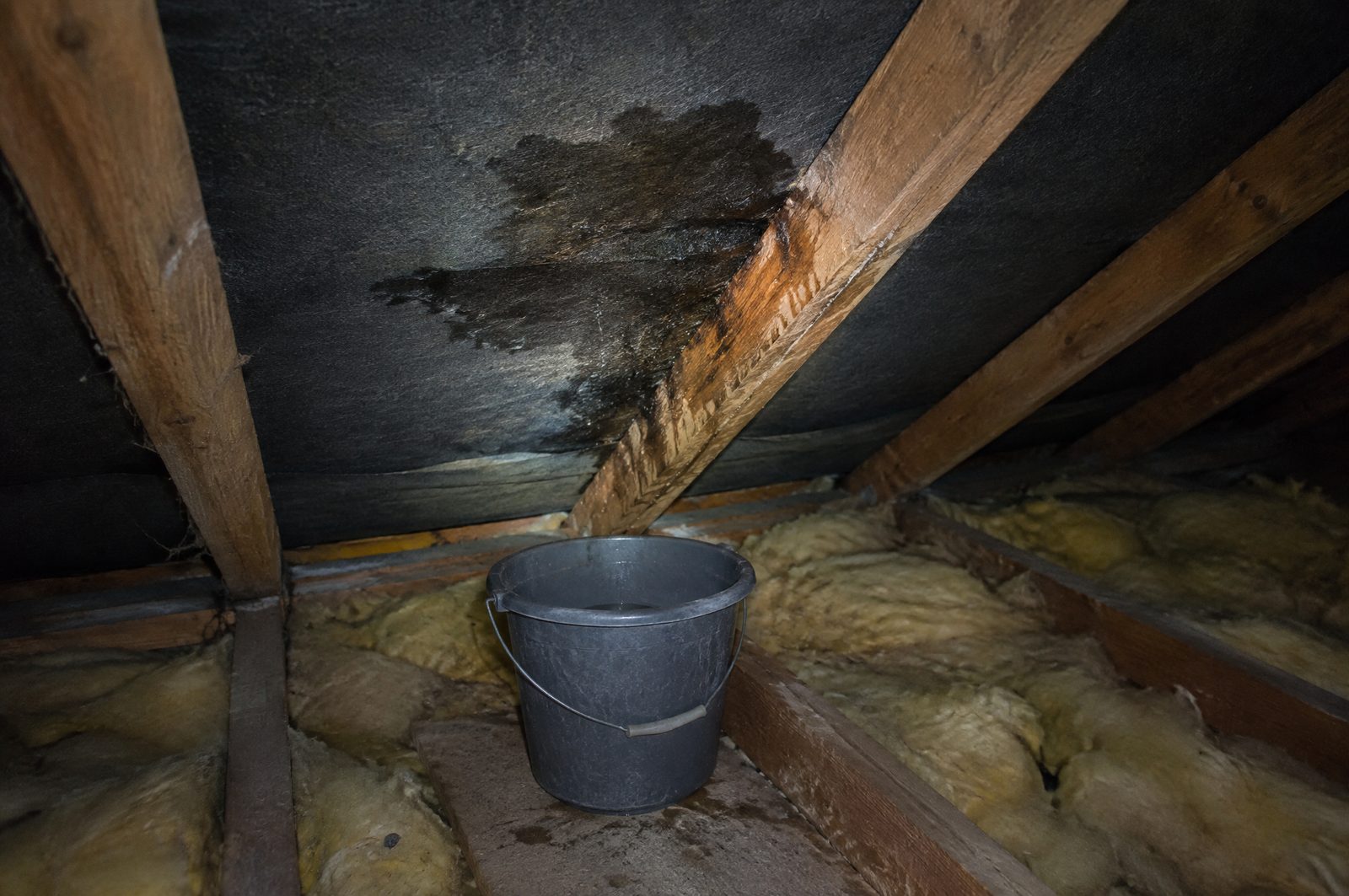
The part nobody can price for certain from the ground is what sits under the covering. If the felt beneath a slipped slate is torn or the batten has rotted, the repair grows to include those. On older roofs with bitumen felt, the felt near the eaves often rots where it sat in the gutter. A careful roofer looks from the loft as well as the roof before quoting, and writes into the quote how any extra timber or felt will be handled if it is found.
How much of the roof is affected.
One slipped slate is a repair. Twenty slipped slates spread across a roof are a sign that the nails have gone everywhere, and a repair on that roof will be followed by another. The same goes for ridges: one loose ridge tile is a repair, the whole ridge with the mortar falling out is a bigger job, and the decision between rebedding it and fitting a dry ridge depends on how often it has failed before.
At some point the honest answer is that the roof needs replacing rather than repairing. We do not re-roof. If that is what we find, we say so with photos and refer you on.
Getting a quick, accurate quote.
Send a photo of the roof from the road, zoomed in on the problem if you can. Add a photo of any stain inside, say which room and which wall, and say when it leaks: every shower, only in wind from one direction, or only after heavy rain. Tell us the house type and whether there is side access.
With that, many repairs can be priced from the photos. Where they cannot, we come out for a look, which is free, photograph the fault from the ladder and send the written quote within 48 hours.
- 01A photo of the roof from the ground, and a close-up if possible
- 02A photo of the stain or damp inside
- 03When it leaks and how long it has been happening
- 04House type, number of storeys and whether there is side access
From the call to the photos.
The same crew looks at the job, quotes it and does it. You get before and after photos when it is finished.
- First01.
Send photos and the pattern.
The roof from the ground, the stain inside, and when the leak shows. That is often enough for a price.
- Then02.
A look from the ladder.
A same-week look on most repair calls, with no call-out fee, where photos are not enough.
- Next03.
Free written quote.
Within 48 hours, naming the fault, the repair, the materials and the access included.
- Last04.
Repair and photos.
The repair is carried out and you get before and after photos on completion.
Repairs, not re-roofs.
We repair pitched slate and tile roofs on houses across Dublin, Wicklow and Kildare. We do not re-roof. If the felt, battens or covering have failed across the whole roof, we will show you the photos and refer you to a re-roofing contractor rather than price a repair that will not hold.
Questions people ask.
Anything else, ring 085 781 4603.
How much does a roof repair cost?
It depends on the fault, the access, the materials and what is found under the slates. We do not publish prices because the same repair on two houses can be a very different job. Send a photo and we will send a free written quote within 48 hours.
Is there a call-out fee to look at my roof?
No. The look is free, and so is the written quote.
Why does scaffolding make such a difference?
Because it is a separate piece of work: delivery, erection, the time it stays up and the strike. On a chimney or a high slope it is the only safe way to do the repair properly, so it belongs in the quote from the start.
Can I save money by having it sealed instead?
Sealant over a flashing, valley or cracked slate does not last and makes the proper repair harder later. If money is tight, ask for the smallest proper repair that stops the water, and leave the rest for another time.
More on roofing.
Or go back to the main roofing page.
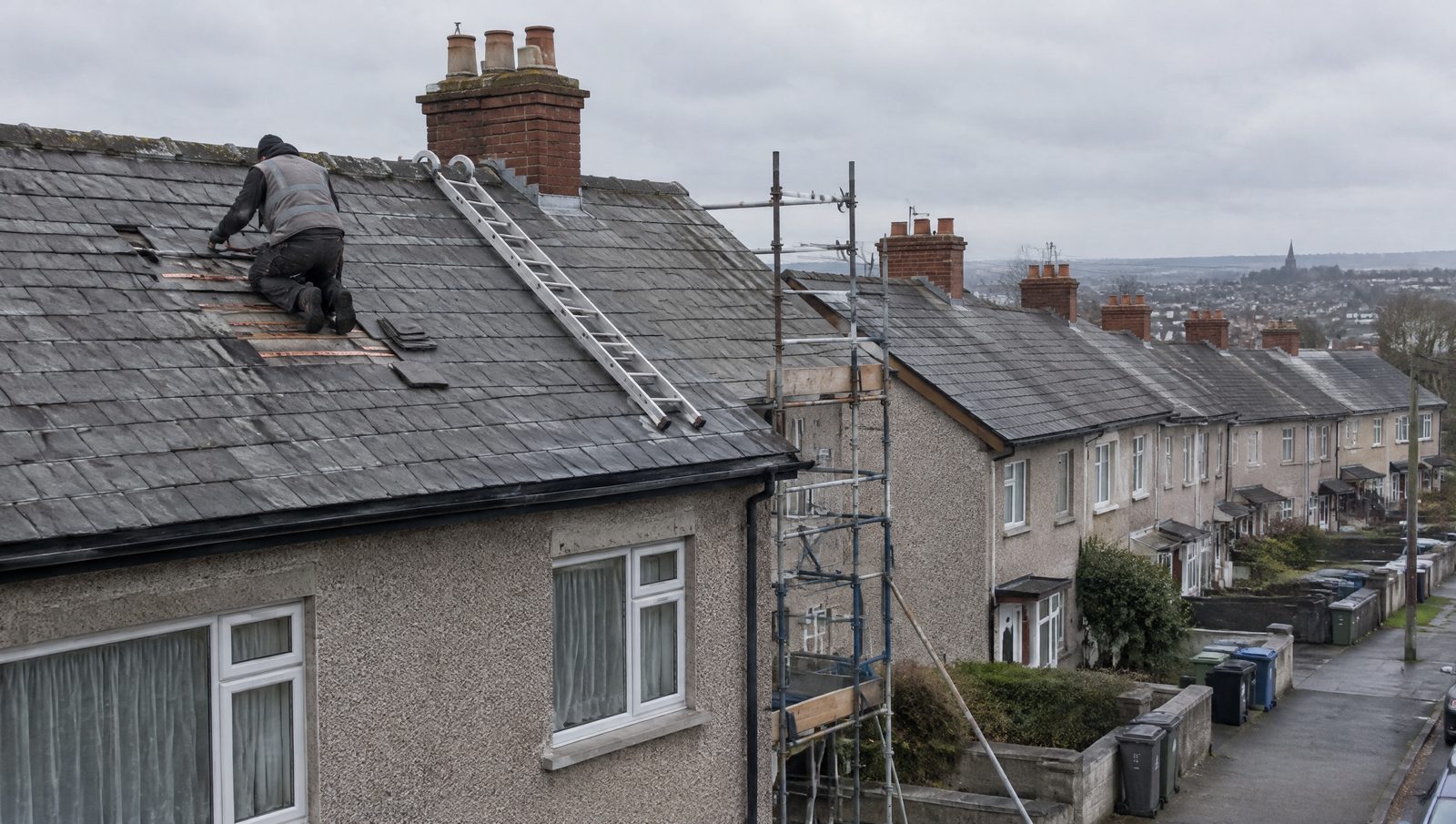
Want us to take a look?
Send a photo from the ground if you can, or we come out and look from the ladder. One written price inside 48 hours, no call-out fee and no pressure to go ahead.