Hedge trimming in Dublin.
Hedge trimming and hedge cutting across Dublin, for front boundaries, back garden screens and the long hedges that run between houses. Each hedge is cut at the time of year that suits it, every clipping leaves with us, and the price is in writing after a free look.
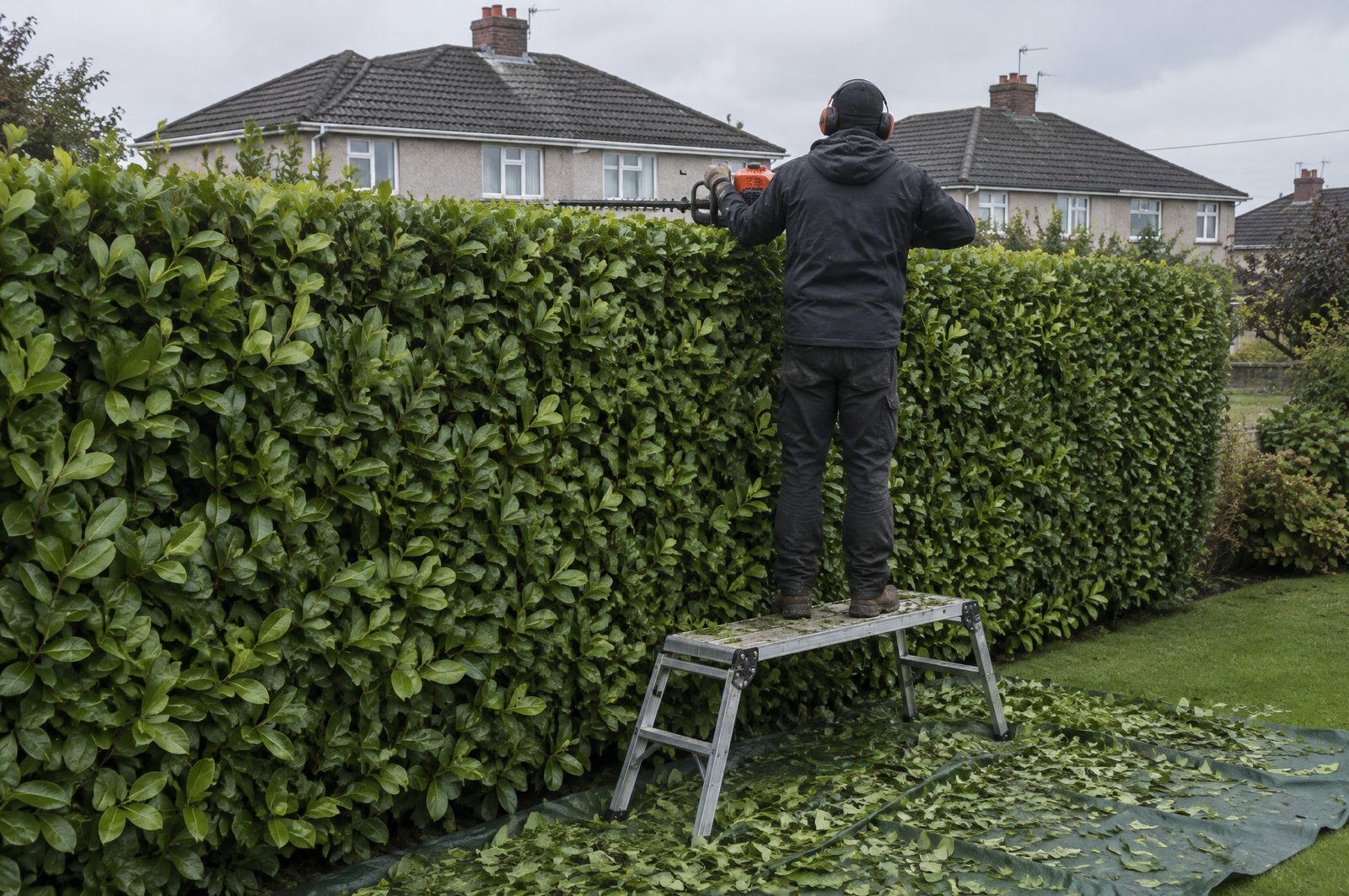
Most Dublin hedges need cutting once or twice a year, and the right month depends on the plant: privet and leylandii through the growing season, beech once in late summer, griselinia in late spring and again before autumn.
We trim hedges as part of a garden maintenance schedule or as a one-off cut, and the clippings are taken away on the day.
Bringing an overgrown hedge down in height is a separate job from a trim, and it is quoted on its own once we have seen it.
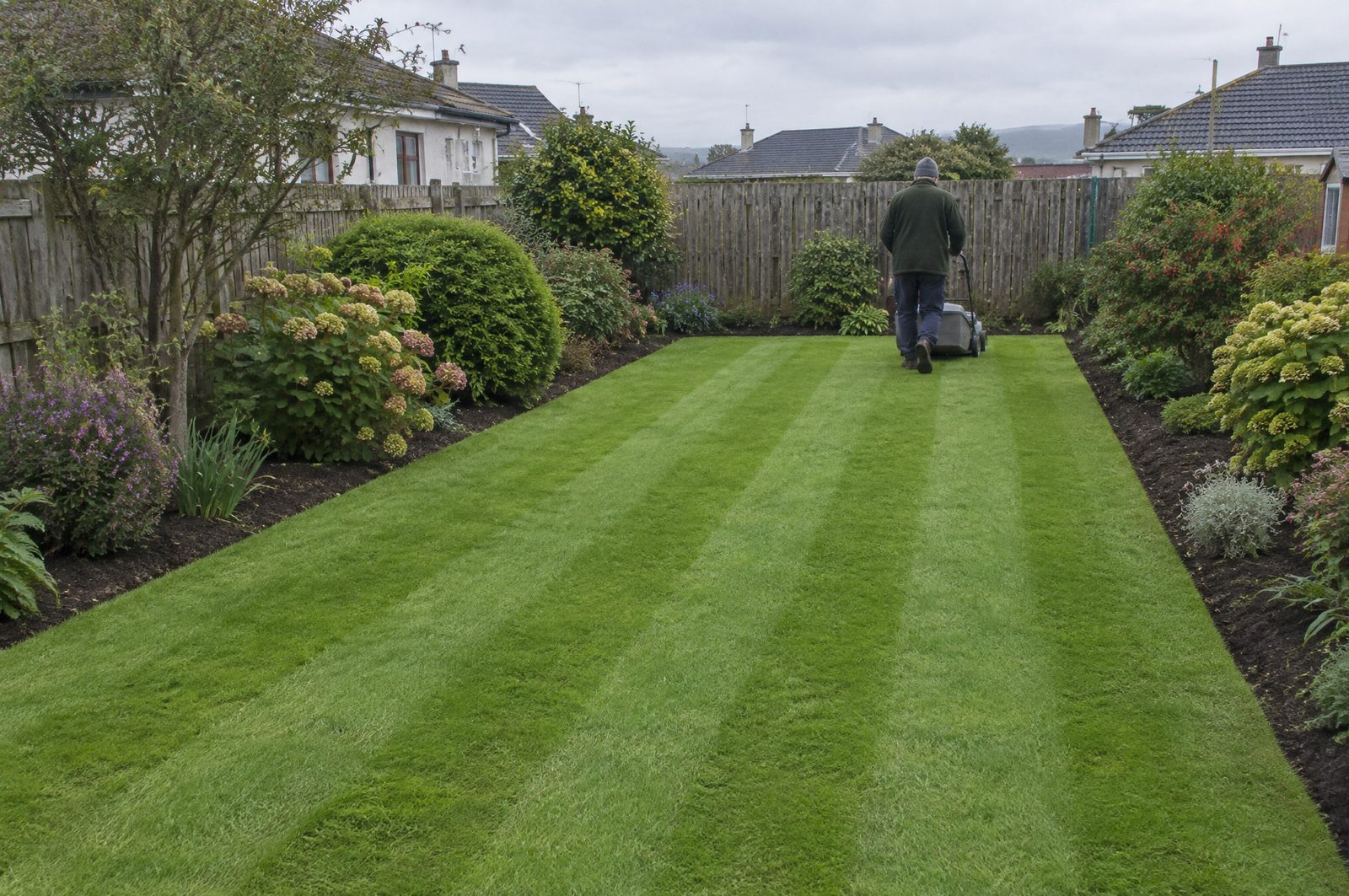
Hedge trimming for the common Dublin hedges.
Walk through almost any Dublin estate and the same handful of hedges keep turning up. They grow at different speeds and react differently to the blade, so a trim that suits one can set another back by a year.
- 01Griselinia: the glossy, apple-green hedge on a great many front gardens, especially in newer estates. It puts on most of its growth between May and August. A trim in late spring and another in late summer keeps it tight. Cutting it hard late in the year leaves soft new shoots exposed to frost.
- 02Privet: common along the front walls of older semi-detached houses. It grows fast, forgives a lot and recovers from mistakes, but a neat privet hedge wants two or three cuts between May and September.
- 03Laurel: large leaves that show every cut. A powered trimmer slices many leaves in half and the cut edges brown off for a few weeks. It is not harmful, and new growth covers it, but it is worth knowing before a laurel at the front of the house is cut in June.
- 04Leylandii: the fast conifer behind many back-garden boundaries. Two or three light trims between spring and late summer keep it in check. It will not grow back from old brown wood, so the sides must only ever be cut into green growth.
- 05Beech: cut once, in August, and it holds its dry copper leaves right through the winter, which is half the reason people plant it. A beech hedge cut much earlier can throw out a second flush of growth.
Nesting birds and the cutting season.
Under the Wildlife Act it is an offence to wilfully destroy the nest of a wild bird while it is in use. Separately, the Act restricts the cutting of hedgerows on uncultivated land and roadside hedges from 1 March to 31 August, which is why you see farm and roadside hedges cut in the autumn and winter.
Whatever the dates, an active nest is protected wherever it is, garden hedges included. Blackbirds, robins, dunnocks and wrens all nest in suburban hedges from early spring into summer. If we find an active nest when a cut starts, that stretch of hedge is left until the young have gone. Watching the hedge for ten minutes before a spring trim helps: a bird going in and out with food in its beak is the giveaway. If you are unsure whether the seasonal restriction covers a particular hedge, the National Parks and Wildlife Service can advise.
Height reduction is a separate job.
A regular trim keeps a hedge at the size it already is. Taking a hedge down by a metre, or cutting the face back hard to win back part of the lawn, is different work. There is more cutting, a lot more time at height and many times the volume of waste, so it is quoted on its own before anything is touched.
Some hedges take a hard cut well. Privet, laurel and griselinia will generally regrow from older wood, though the hedge looks bare and woody for a season. Beech also recovers, and it is best reduced in winter, one face one year and the other face the next. Leylandii is the awkward one. Its height can be reduced, and the new top fills in slowly from the sides, but a face cut back past the green stays brown for good. Where a conifer hedge has gone beyond what a hard cut can fix, we will say so on the visit.
Trimmed on a schedule or as a one-off.
If we already look after the garden, the hedges go into the written schedule, trimmed a couple of times a year in the months that suit them and covered by the same fixed price per visit or per month as everything else. Nobody needs to remember to ring in August about the beech.
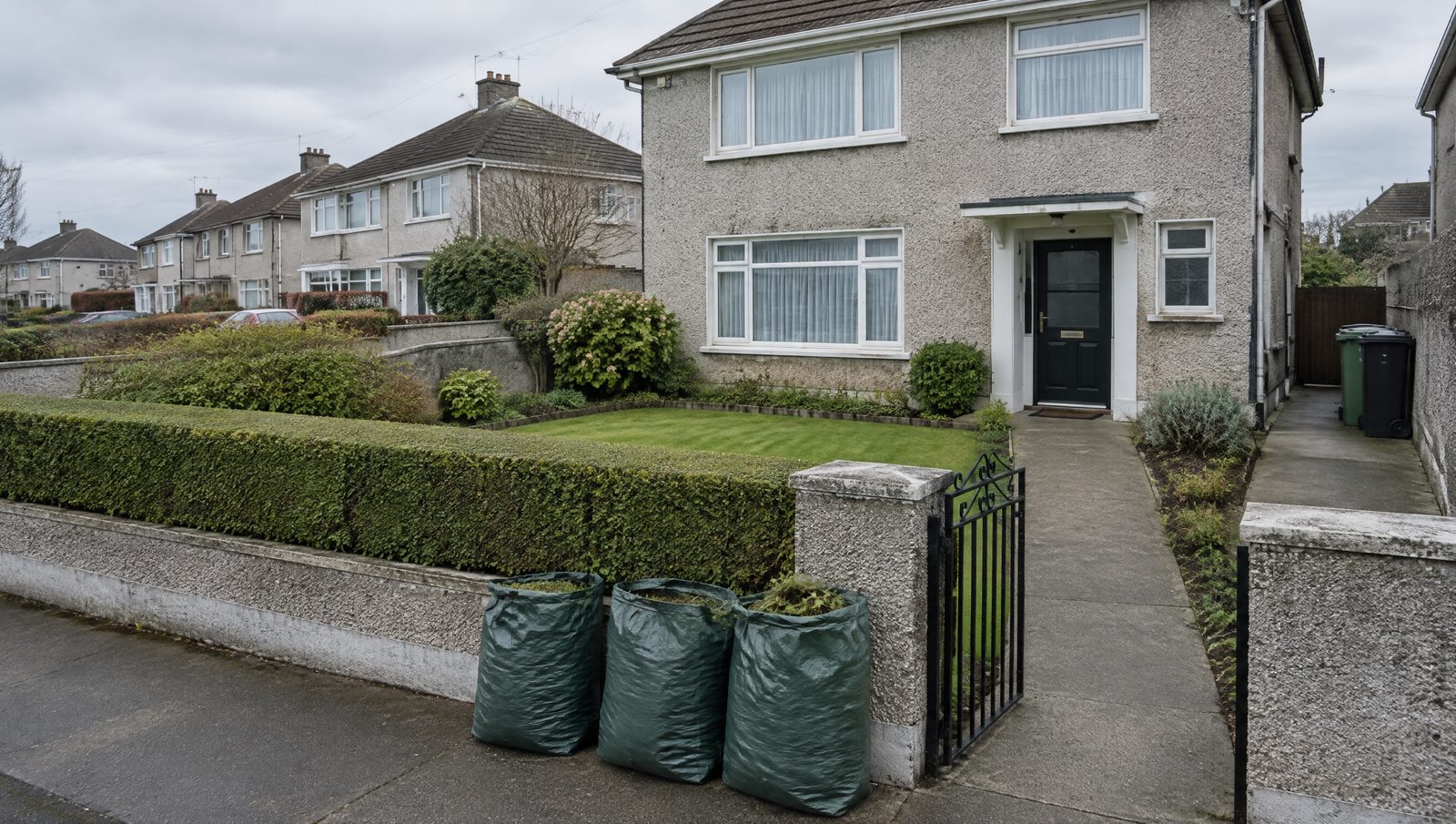
Plenty of people mow their own lawn and are happy to, but a long leylandii boundary or a two-metre griselinia along the front wall is a different matter. For them we do a one-off hedge cut, quoted separately, and it can be booked once or twice a year without signing up to anything else. The clippings are raked out of the beds and off the paths and go away with us, never onto the verge or into your brown bin.
Front hedges, footpaths and neighbours.
A front hedge that has spread over the public footpath is the owner's to cut back, and councils can generally ask for it to be done where it blocks the path or a sightline for drivers. Check with your council if a notice has come through the door. A trim that brings the face back to the boundary line usually solves it.
Shared hedges come up often in Dublin, where back gardens meet in long runs. We cut your side and the top from your garden. Cutting the far face means standing in the neighbour's garden, so that needs their agreement, and it is easier to sort out before the day than on it.
We cover the whole county: Swords, Malahide, Clontarf, Castleknock, Blanchardstown, Lucan, Clondalkin, Tallaght, Rathfarnham, Dundrum, Blackrock, Dun Laoghaire and the suburbs between.
From the call to the photos.
The same crew looks at the job, quotes it and does it. You get before and after photos when it is finished.
- First01.
Send a photo or book a look.
A photo of the hedge with a person or a door in the shot for scale is often enough to start. Otherwise we come out, and the look is free.
- Then02.
A written price within 48 hours.
It says which hedges, which faces, the height they finish at and that the clippings are taken away. A reduction is priced as its own line.
- Next03.
The cut.
Trimmed to the agreed line, checked for active nests first in spring and summer, with the beds, lawn and paths cleared of clippings afterwards.
- Last04.
Before and after photos.
Sent when the job is finished, so you can see both faces and the top even if you were out when we called.
Where we draw the line.
We trim hedges, reduce them and cut back small trees growing in them. We do not take on tree surgery or felling, and very tall conifer screens that need a cherry picker and a team are beyond what we are set up for. We will tell you on the visit if a hedge falls into that group. Work on the neighbour's face of a shared hedge only goes ahead with their agreement.
Gardening questions.
Anything else, ring 085 781 4603.
When is the best time to cut a hedge in Dublin?
It depends on the hedge. Privet and leylandii want two or three trims between May and September, griselinia a cut in late spring and another in late summer, and beech one cut in August. Avoid hard cuts going into winter on anything evergreen.
Is it illegal to cut a hedge during the nesting season?
The 1 March to 31 August restriction in the Wildlife Act covers hedgerows on uncultivated land and roadside hedges. Destroying an active nest is an offence wherever the hedge is, so a garden hedge with a nest in use is left alone until the young have flown.
How much can you take off the top of a leylandii?
The height can come down a good deal, and the top fills in slowly from the side shoots. The sides are different: cut past the green into brown wood and they will not regrow. We look at the hedge before saying how far it can go.
Can you cut my neighbour's side of the hedge?
Only with their agreement, because it means working from their garden. We cut your face and the top from your side, and if the neighbour is happy for the far face to be done, it goes on the same quote.
Do you take the hedge clippings away?
Yes. Every clipping is raked up and taken away the same day. Nothing is left on the verge or put in your bin.
More on gardening.
Or go back to the main gardening page.
Get your job priced properly.
Tell us what needs doing and where. Free site visit, then one written price inside 48 hours, with no pressure to go ahead.